Historical report: PANews published the original article on November 10, 2026, at 15:55 UTC+8. Figures below retain that reporting period.
What supports demand for ETH if using Ethereum becomes cheaper? In a November 8 post on X, Ethereum co-founder Vitalik Buterin said he preferred framing ETH as a store of value rather than anchoring its value to transaction-fee burns. That is a change in emphasis, not a change to the burn mechanism.
Two different links between network use and ETH
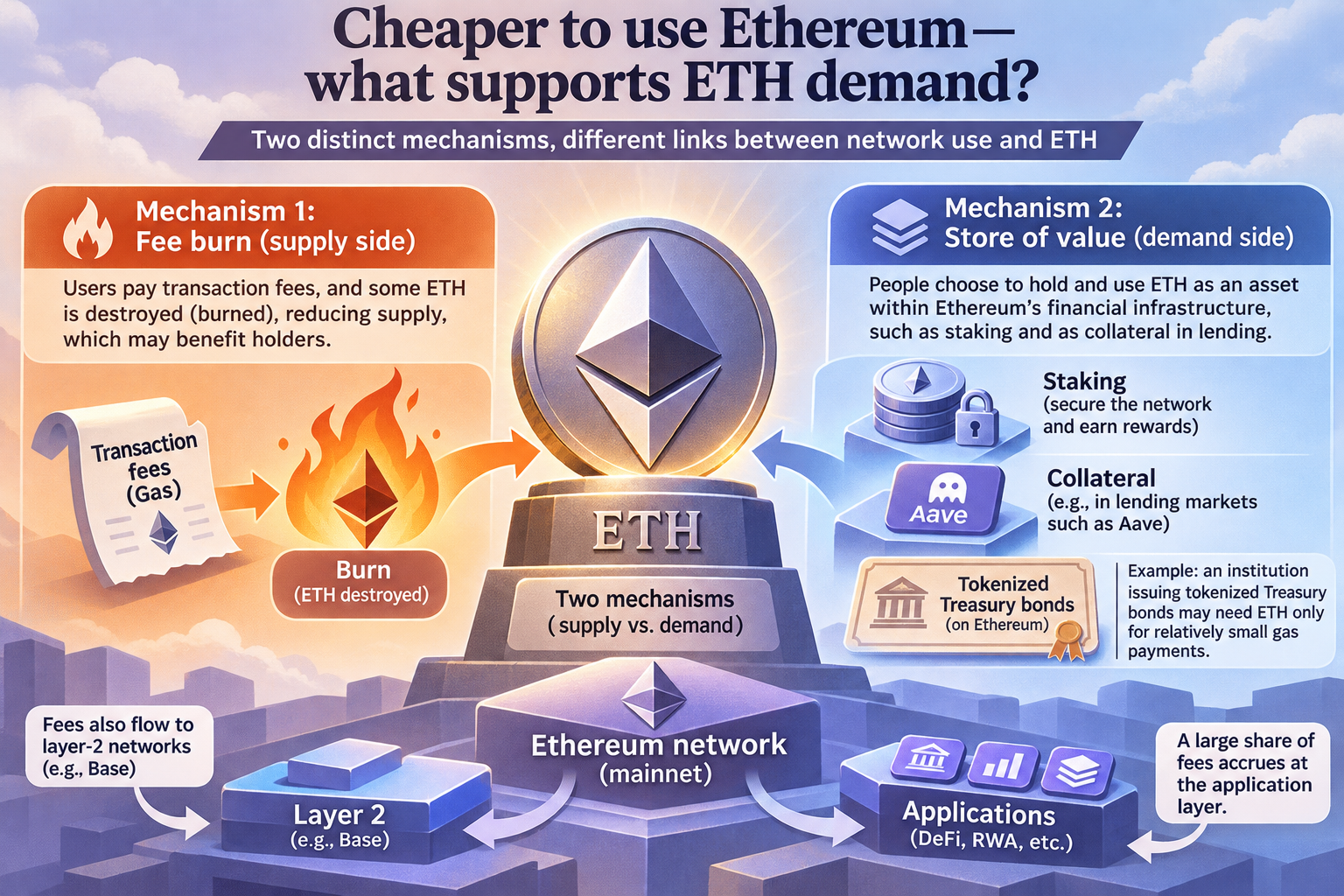
Under the fee-burn argument, users pay fees, some ETH is destroyed, and reduced supply may benefit holders. The store-of-value argument instead depends on people choosing to hold and use ETH as an asset within Ethereum’s financial infrastructure. These are different claims: activity on the network does not necessarily create substantial demand for its native token.
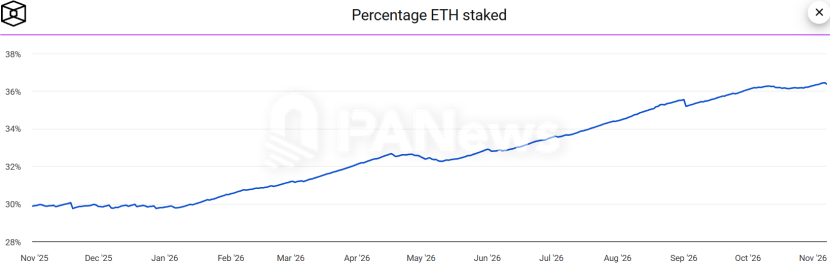
Staking provides one direct use for ETH. Citing The Block, PANews reported that 36.36% of circulating ETH was staked, versus 29.91% a year earlier. ETH can also serve as collateral in lending markets such as Aave. Bitmine chairman Tom Lee described ETH as trusted collateral rather than a “cash-flow” token like HYPE or LIT.
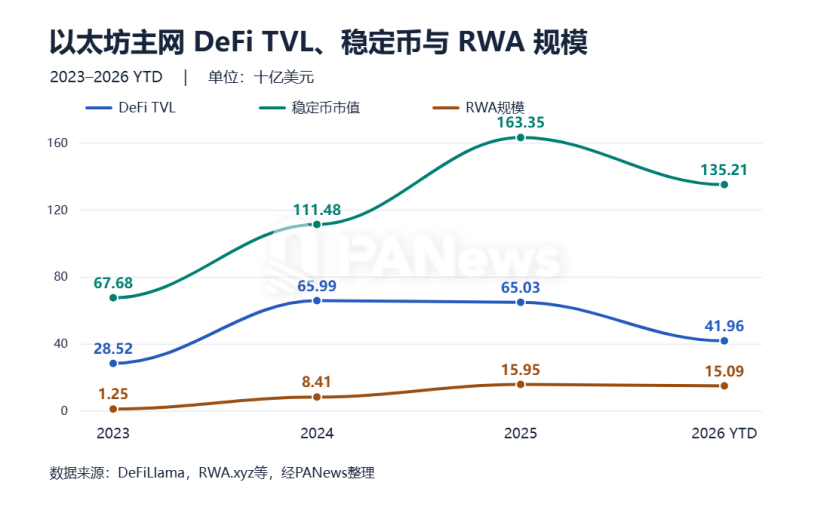
That role has a limit. PANews offered a hypothetical institution issuing $1 billion of tokenized Treasury bonds on Ethereum: if the bonds themselves provide the collateral and interest, and settlement uses USDC, the institution might need ETH only for relatively small gas payments. More assets on Ethereum would not, by itself, establish sustained net buying of ETH.
Why the burn argument has weakened
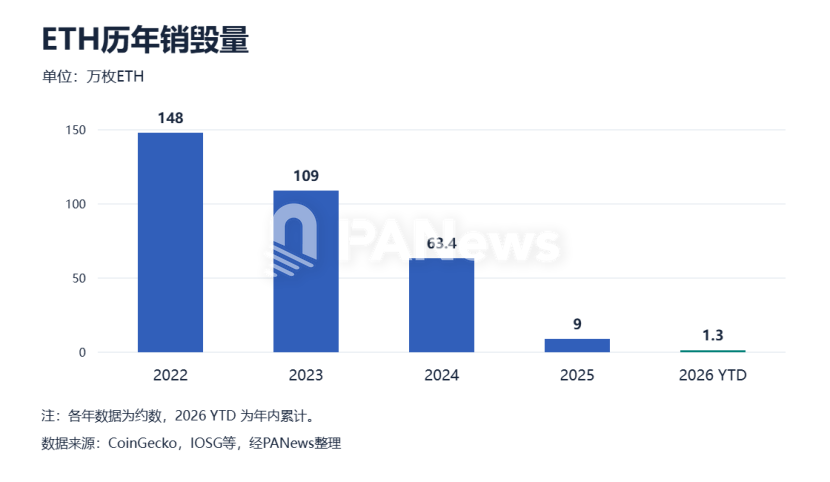
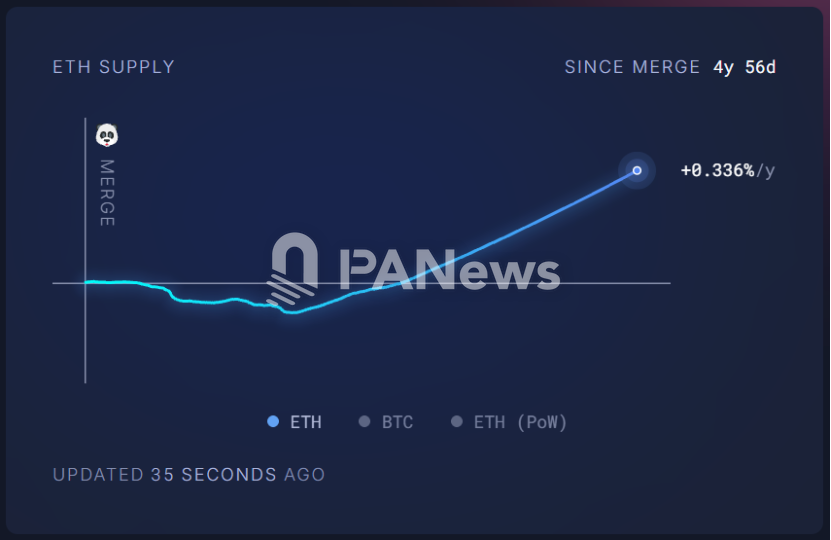
PANews reported that Ethereum burned about 1.48 million ETH in 2022, compared with approximately 13,000 ETH so far in 2026—a decline of more than 99% in token count, although those are different-length periods. It also reported that ETH returned to net inflation in February 2025.
Buterin illustrated the valuation issue with a calculation: $1 billion of annual fee burns, valued at a 4% discount rate, implies a theoretical $25 billion present value. At the roughly $260 billion ETH market capitalization cited by PANews, the same calculation would require sustained annual burns worth $10.4 billion. Transaction fees are not a stable cash flow, so this is an illustration of the assumption required—not a price target.
Where fees accrue
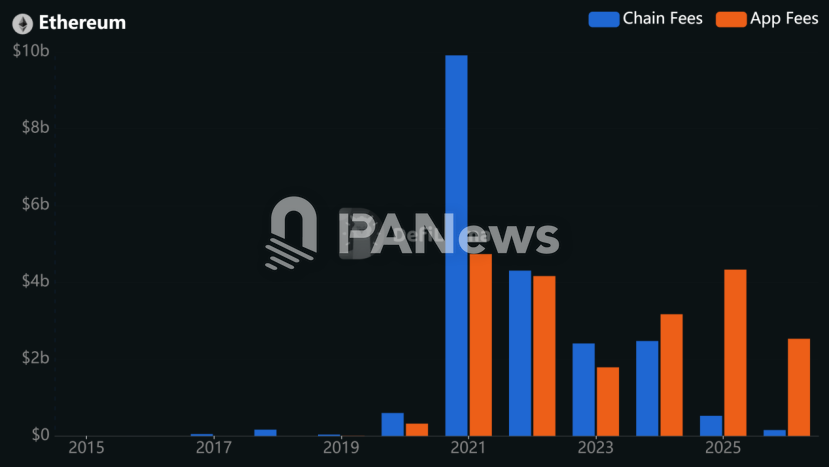
Ethereum activity and mainnet fee income are not interchangeable. Citing DeFiLlama, PANews reported approximately $152 million in Ethereum mainnet fees in 2026 through its reporting date, against $2.529 billion in fees at the application layer. A layer-2 network such as Base charges its users while paying Ethereum for data publication and settlement.
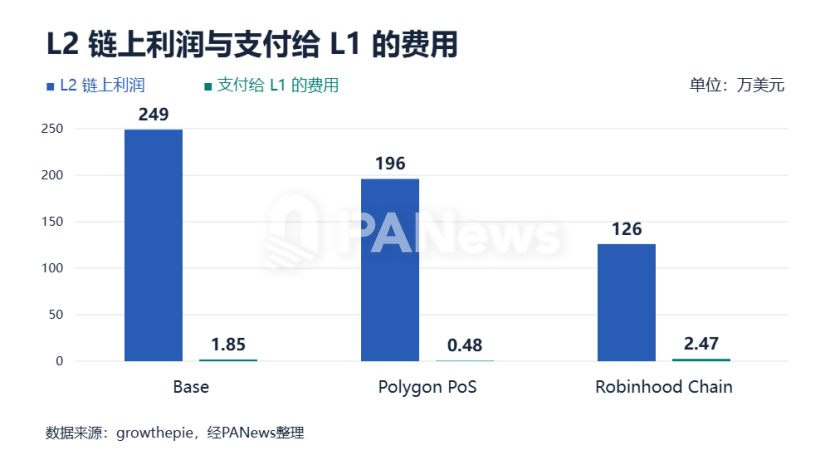
Citing growthepie’s preceding 30-day figures, PANews said the top three Ethereum layer-2 networks generated about $5.71 million in on-chain profit, including $2.49 million at Base, while paying approximately $48,000 combined in mainnet settlement fees. Those figures illustrate why growth across Ethereum’s wider ecosystem need not translate proportionately into mainnet fees or ETH burns.
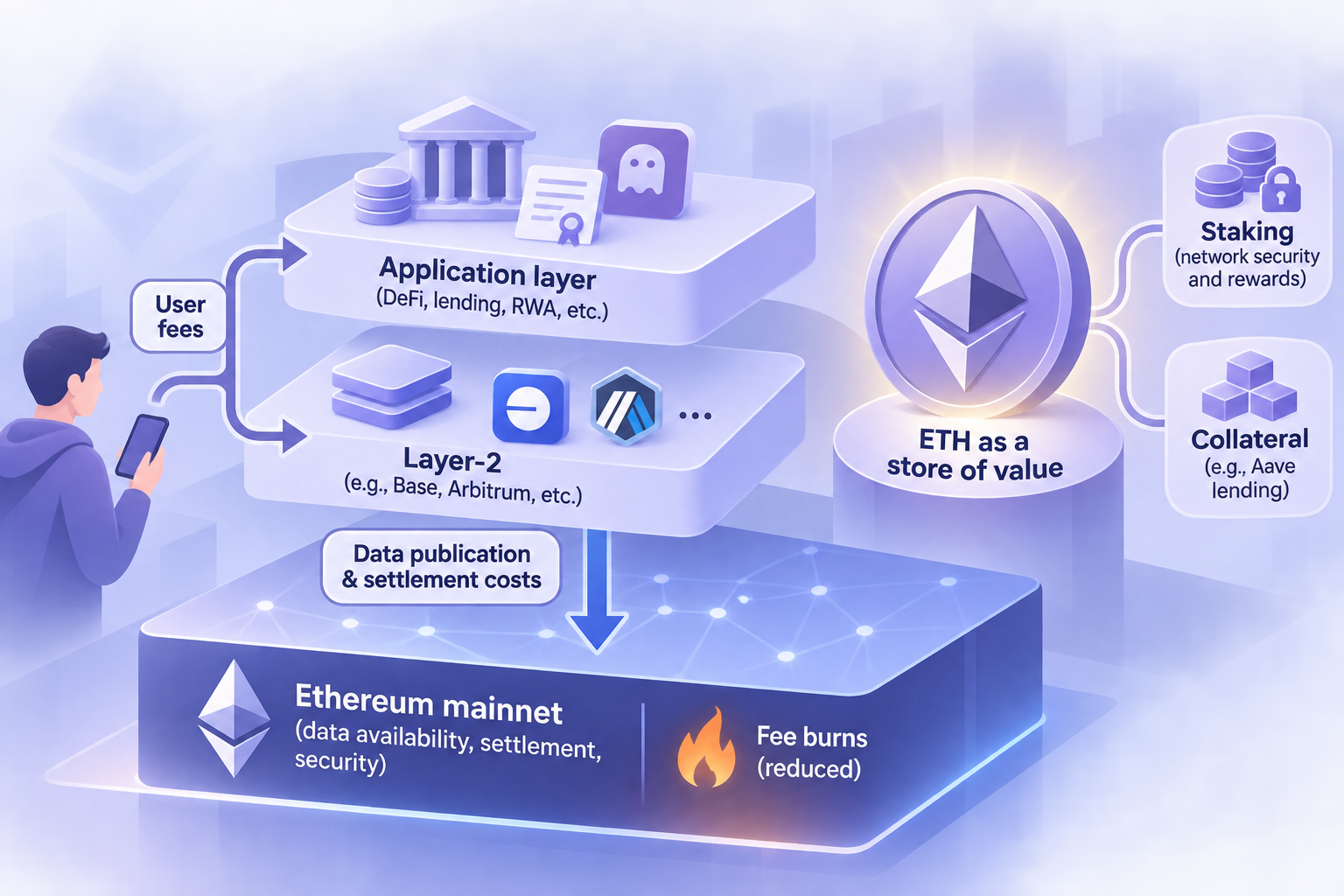
Cheaper transactions could make small, frequent payments and other uses more practical. Whether enough new activity—or demand to hold ETH as collateral—will offset lower fees remains unproven. The comparison is therefore between two distinct mechanisms: ETH supply reduced by burns and ETH demand as a held, staked or collateral asset.
Source: panewslab.com (originally published 2026-11-10 15:55 UTC+8)